


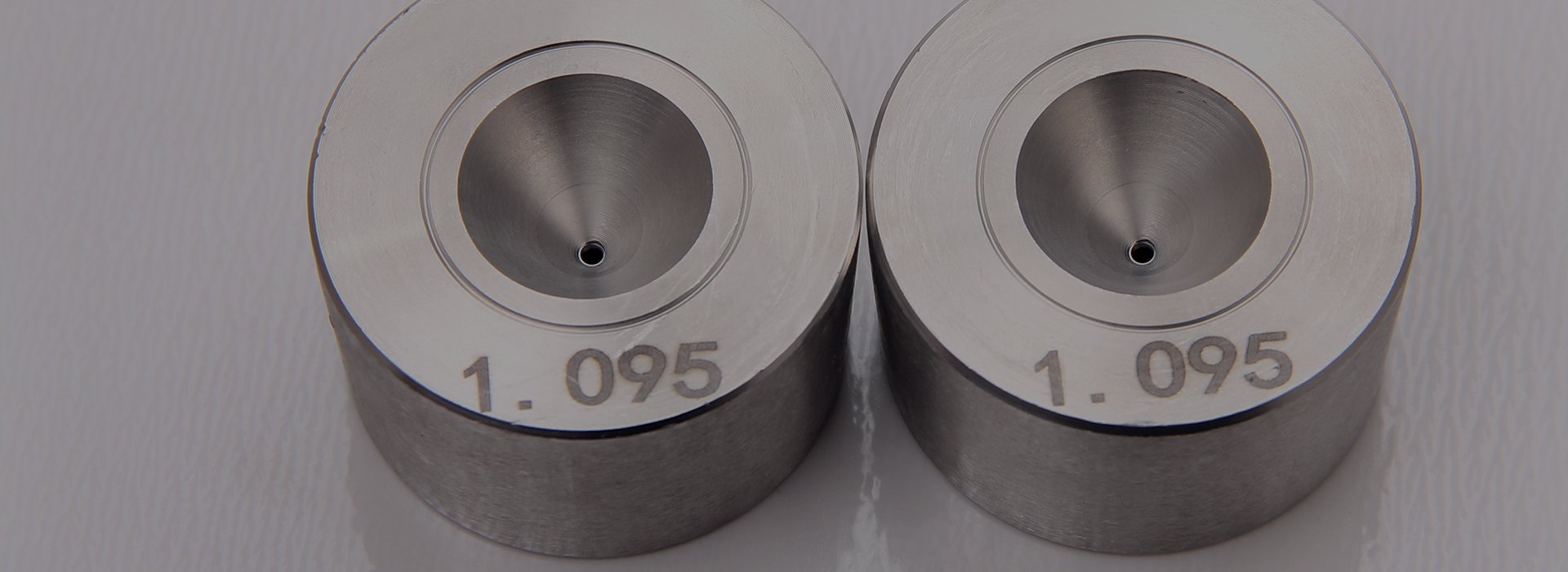
Binderless Pcd Wire Drawing Dies Specially for Your Hard Wires
The heat-resistance temperature of binderless PCD dies is 800°C~900°C, which is much higher than 650°C of normal PCD wire drawing dies with binder. It means HG binderless PCD dies will work longer time for your wires, especially hard wires.
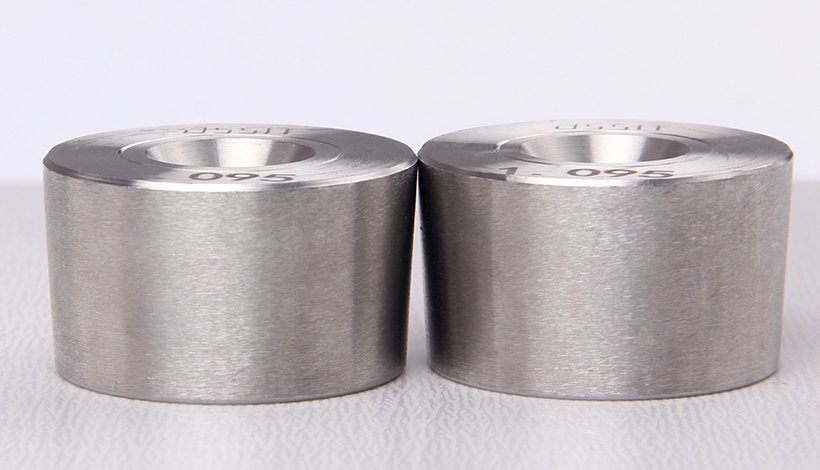
Binderless PCD Dies in Different Grain Sizes
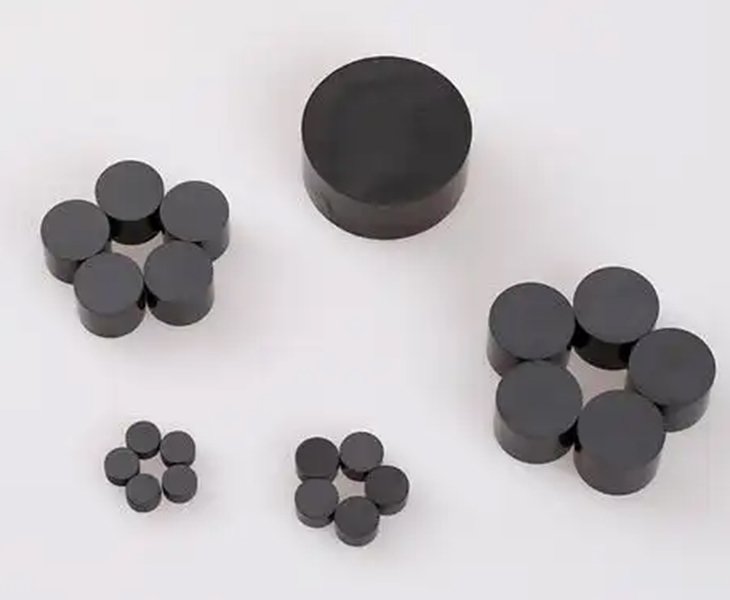
Made by binderless PCD blanks, HG have totally 3 grain sizes of binderless PCD dies.
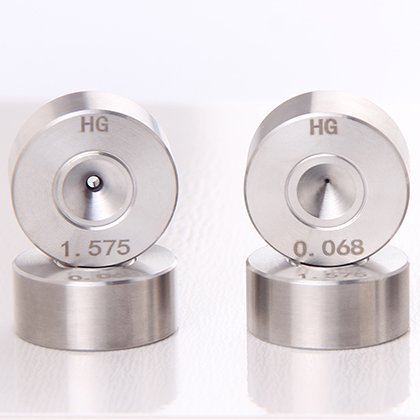 PCD Blanks without Binder
Metal binder was removed from the normal blanks then they become binderless.
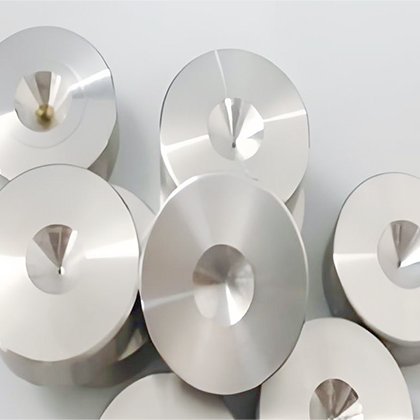 Binderless PCD Dies in 3 Micron or 5 Micron
Binderless PCD dies with fine grain sizes, 3 or 5 microns are good at drawing hard wires and require smooth wire surfaces.
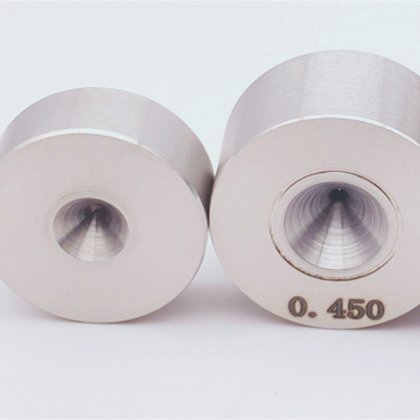 Binderless PCD Dies in 10 Micron or 25 Micron
If your wires are very hard and need high-temperature resistant dies, 10-micron or 25-micron binderless PCD dies will be your best choice.
Binderless PCD Dies for Different Wires
Besides performing well in hard wires,HG binderless PCD dies are certainly good at soft wires.
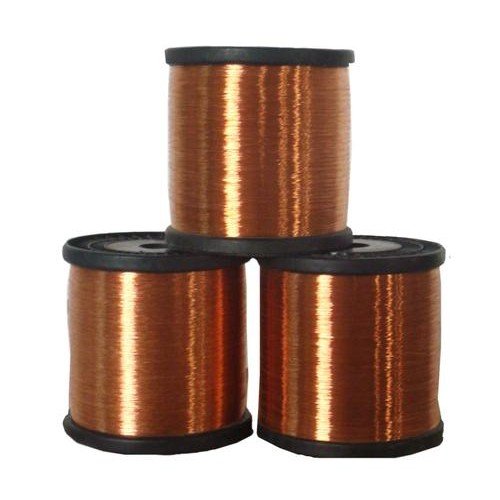 Binderless PCD Dies for Nickel Plated Copper Alloy Wires
After drawing nickel plated copper alloy wires by our binderless PCD dies, customers feedback ‘we are getting great results. Minimal wire breaks and the OD is holding good still after 22 hours of machine run time’.
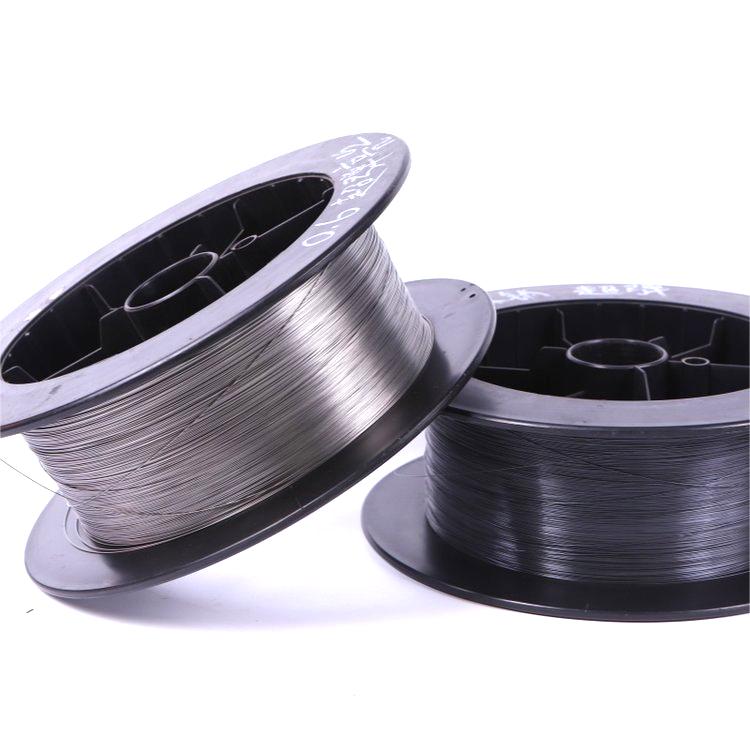 Binderless PCD Dies for Tungsten and Molybdenum Wires
Without cobalt binder, binderless PCD dies can bear high temperature to be about 900°C, which allows the dies’ long life time in hard wires drawing, say tungsten or molybdenum.
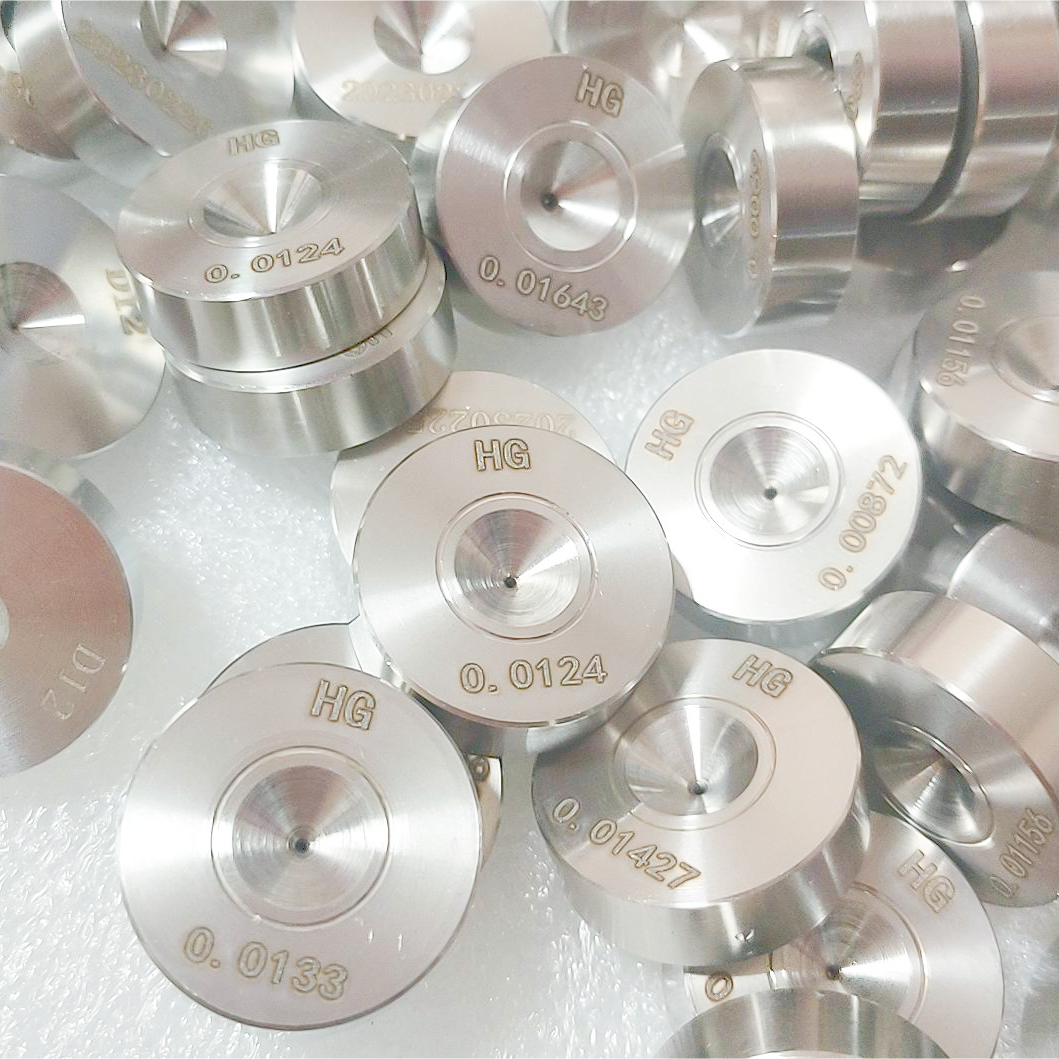 Customized Binderless PCD Dies
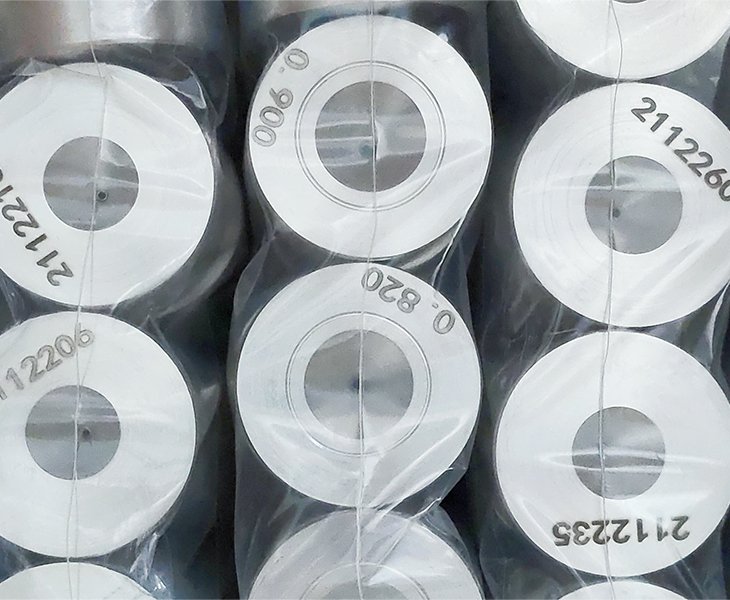
If you have any special requirements on cases shapes or each specification of inner geometry, please inform and we are able to make it.
Thorough Cobalt Removing
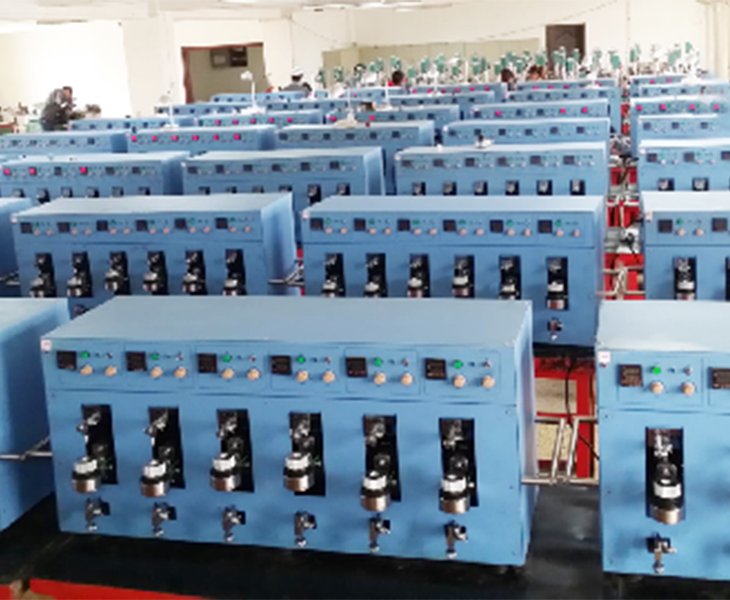
If cobalt in PCD blanks can not be all removed, the dies’ performance will be affected. When making binderless dies, HG inspecting every piece of PCD blank by SEM to ensure the cobalt had been totally removed from the blanks.
Experienced Production Crafts
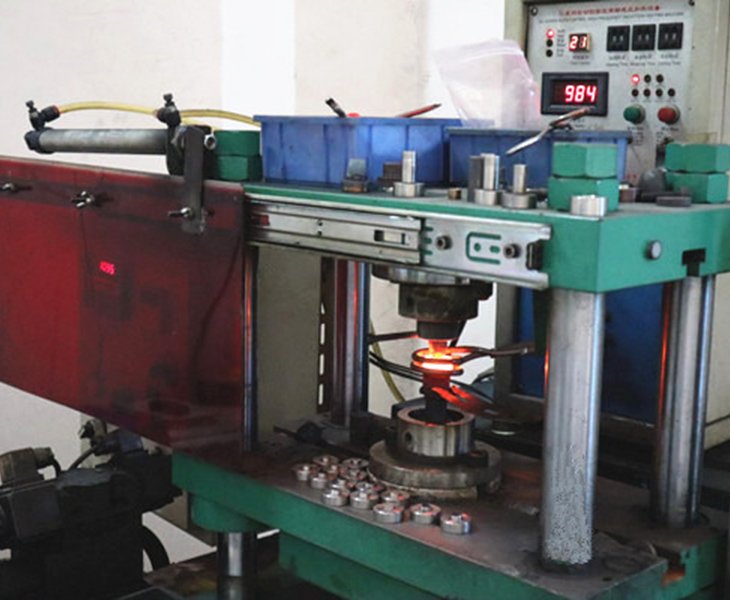
Without conductive cobalt, binderless PCD blanks are not easy to process in die making. After many years’ producing, we have a good command of making binderless PCD dies with reasonable geometry and long service time to make your wire drawing successfully.
Before making the dies, there is an additional inspection to check if the PCD blanks are binderless thoroughly.
High Temperature Resistance
After removing the metal binder, which can only bear 650°C, binderless PCD dies can bear 900°C high temperature. In this case, their inner geometry will not transform in short time. So the roundness, finish and consistency of your wires will be predictable.
High Abrasive Resistance
PCD dies without binder are much more abrasive resistant than PCD dies with binder because the metal binder was removed. So binderless dies’ service time will be much longer. You do not need to change dies frequently so work efficiency will be improved much.
HG Binderless PCD dies to perform well, especially on hard wires.
The big difference is on the binder. Remove cobalt binder from PCD blanks, the binderless PCD dies will be more abrasive and heat resistant. So the dies’ life time will be improved.
The key is PCD blank. Metal binder was removed from PCD blanks by chemical method. Then dies making processes are same as normal PCD dies.
Yes. Compared with normal PCD dies, there is an extra cobalt-removing process on binderless PCD dies. So their price will be a little higher.
Because of the cobalt process, binderless PCD blanks can only be self support from D6 to D24. So only small sizes of binderless PCD dies are available.
Although it’s harder to process, we are specialized in making binderless dies, do it will not take much more time.
Very hard wires, say high carbon wire, tungsten wire and wires required high on surfaces are better to be drawn by binderless wires. Moreover, if you make soft wires by binderless PCD dies, the production efficiency will be higher.
We purchased them from a domestic manufacturer.
Now we have several customers are using PCD dies without binder every month. They like the dies’ life time and other performance on wire surface, roundness.